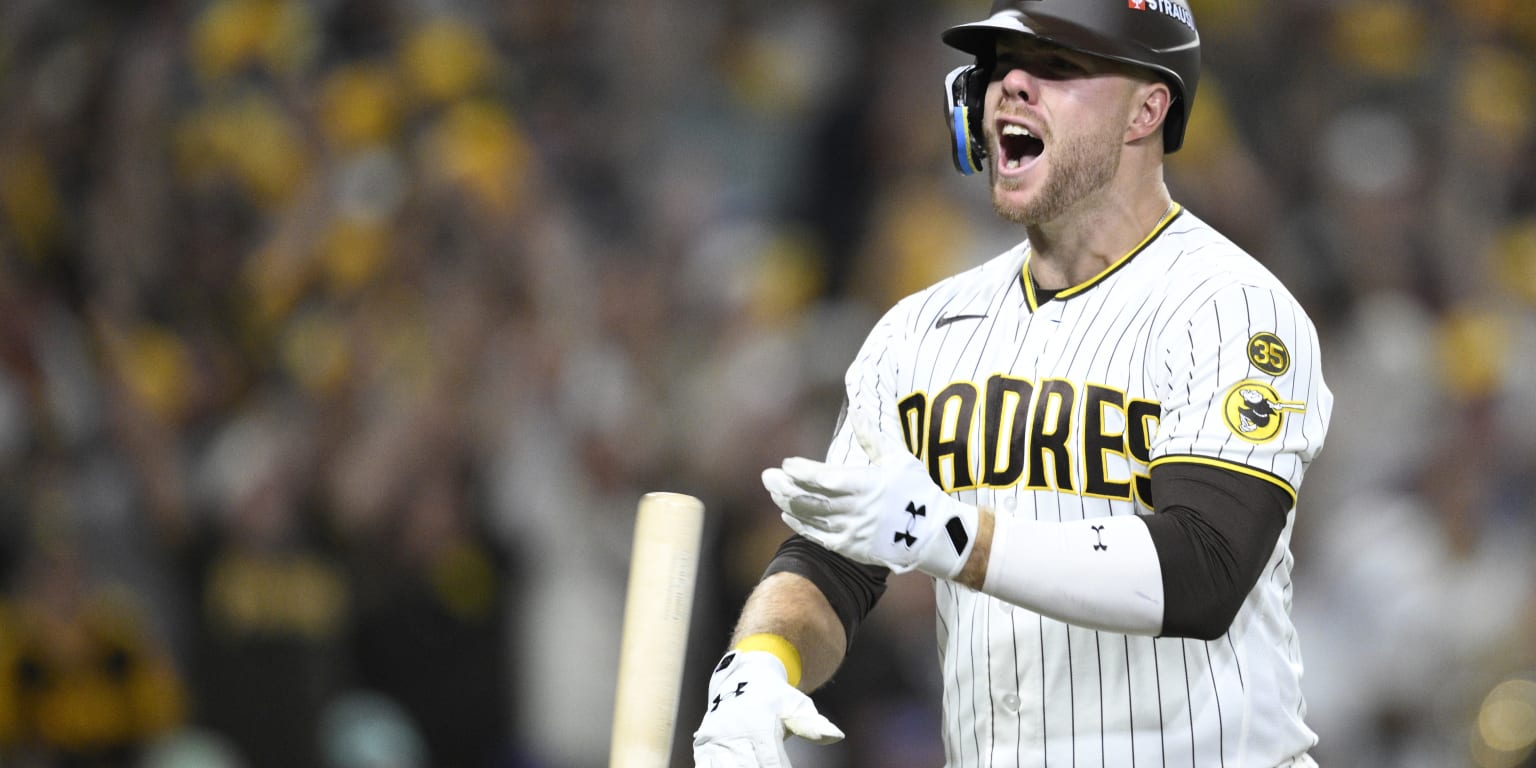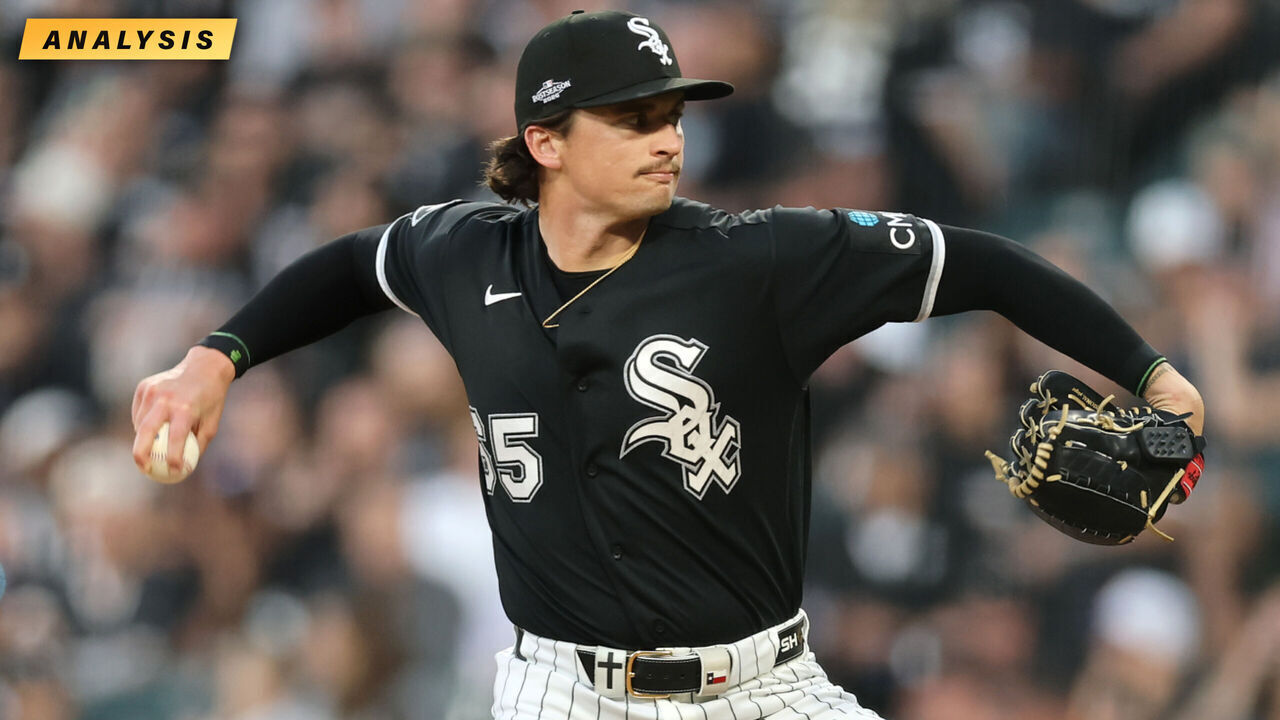
The MLB offseason is underway. Follow along for analysis of all major transactions over the winter.
Jump to:
Sonny Gray I Jake Bauers I Dustin May I David Bednar I Maikel Garcia
Nov. 19
Rockies land starting pitching help from White Sox
What it means for Rockies: If Colorado is to ever escape this perpetual rebuild, it's going to need to figure out its pitching staff. The Rockies are coming off four consecutive seasons with 100-plus losses, and a big reason for that is their lack of quality arms. The club has finished last in the majors in ERA in five straight seasons, and didn't have a single starter post an ERA under 5 in 2026. Pitching at altitude is certainly a factor, but the general lack of talent in the rotation and the inability to develop pitching are bigger symptoms of their organizational struggles.
Luis Castillo is coming off the worst season of his career, posting a 5.85 ERA, 1.49 WHIP, 7.7 K/9 and 1.7 HR/9 in 130 2/3 innings between the Mariners and White Sox. It's certainly a concern that Castillo will go to Colorado a season after producing the lowest ground-ball rate (35.3%) and highest fly-ball rate (43.4%) of his career. It's also probably not his preferred destination as he enters a potential contract year. But while Castillo isn't the All-Star pitcher he once was, he does offer the Rockies an ability to log innings. He's thrown at least 130 of them in each of the last four seasons, and he's made 30-plus starts in three of those.
The real reason the Rockies likely added Castillo was to land Martin. The 29-year-old is coming off the best season of his young career, posting a 3.95 ERA, 1.31 WHIP, and 122 strikeouts across 146 innings. He has four years of team control and isn't arbitration-eligible until next year. Martin gave up a lot of hard contact last season, but was able to keep the ball in the yard. He ranked 19th among starting pitchers (min. 140 innings) with a 0.9 HR/9. Colorado is always going to struggle to sign free-agent pitchers, and while neither Castillo nor Martin are likely to be star upgrades, both are serviceable starters that can produce MLB-quality innings. It's nice to see the Rockies willing to take on salary in order to essentially buy a controllable starter in an effort to actually improve.
What it means for White Sox: Just hours after unveiling Dustin May, Chicago traded its highest-paid pitcher in Castillo in a move that, hopefully, frees up money for another significant rotation piece. Castillo was a questionable acquisition at last season's trade deadline, and his subsequent 8.42 ERA over 31 innings - and eventual removal from the rotation - meant he would likely be dealt this winter. The fact that Chicago was able to find a taker for his full salary - even though it cost the club Martin - is a price Chris Getz was surely happy to pay.
The question now is what does Getz do next? May's ceiling projects him to be a mid-rotation arm, and Chicago needs a real impact pitcher to lead the staff. With a projected $118-million CBT payroll in 2027 and considerable money coming off the books after next season, Getz should have the flexibility to land at least one more marquee starter. This offseason is about raising the ceiling in Chicago and building off a shockingly successful 2026.
Nov. 18
Twins reunite with Gray
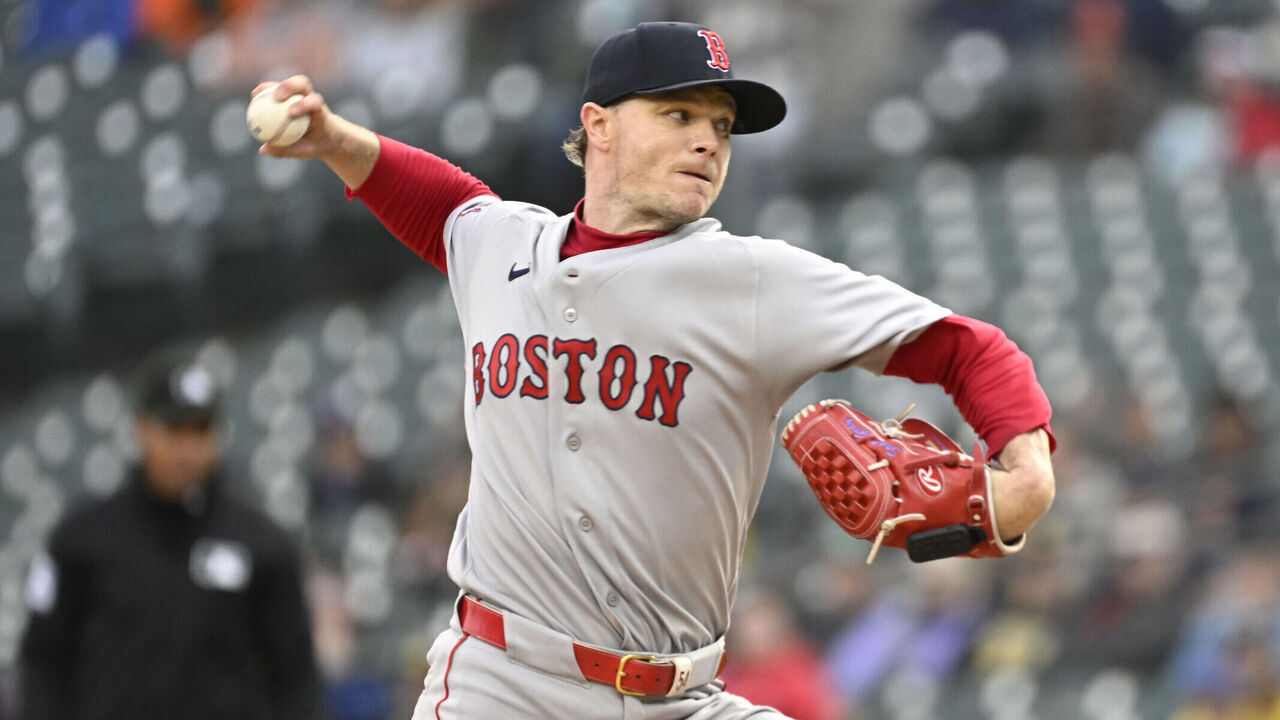
It looks like the Twins will attempt to be competitive in 2027 after going on a bit of a spending spree over the last 24 hours. Ryan Jeffers accepting the qualifying offer Tuesday represented a massive boost to their offense. Following that news with the addition of Sonny Gray on a two-year, $55-million contract sends a message to the clubhouse that any potential rebuild is on hold for a little longer.
Gray authored one of the finest seasons of his 14-year career in 2026 with the Red Sox, finishing fifth in Cy Young voting after posting a 2.72 ERA, 1.15 WHIP, and 3.47 FIP across 169 innings. Though his strikeout rate plummeted from 26.7% in 2025 to 21.8% in 2026, he still managed to rank in the 77th percentile in chase rate while inducing a 46% ground-ball rate. The 37-year-old won't overpower hitters with high velocity, but he combats that with an elite sinker and sweeper.
Gray spent two seasons in Minnesota from 2022-23 and finished second in AL Cy Young voting in 2023. He's clearly comfortable there, though it comes as a bit of a surprise that he wasn't more interested in signing with a team that's closer to contending for a World Series title. The Twins are coming off back-to-back losing seasons and have a roster likely built for one last run. Jeffers, Pablo López, Jeff Hoffman, Bailey Ober, Joe Ryan, and Trevor Larnach will be free agents at the end of next season, while Byron Buxton and Royce Lewis are set to hit free agency after the 2028 campaign.
Far too many times we've watched the Twins operate on the sidelines, so it's great to see an aggressive start to the offseason.
Royals, Mariners swing 6-player trade
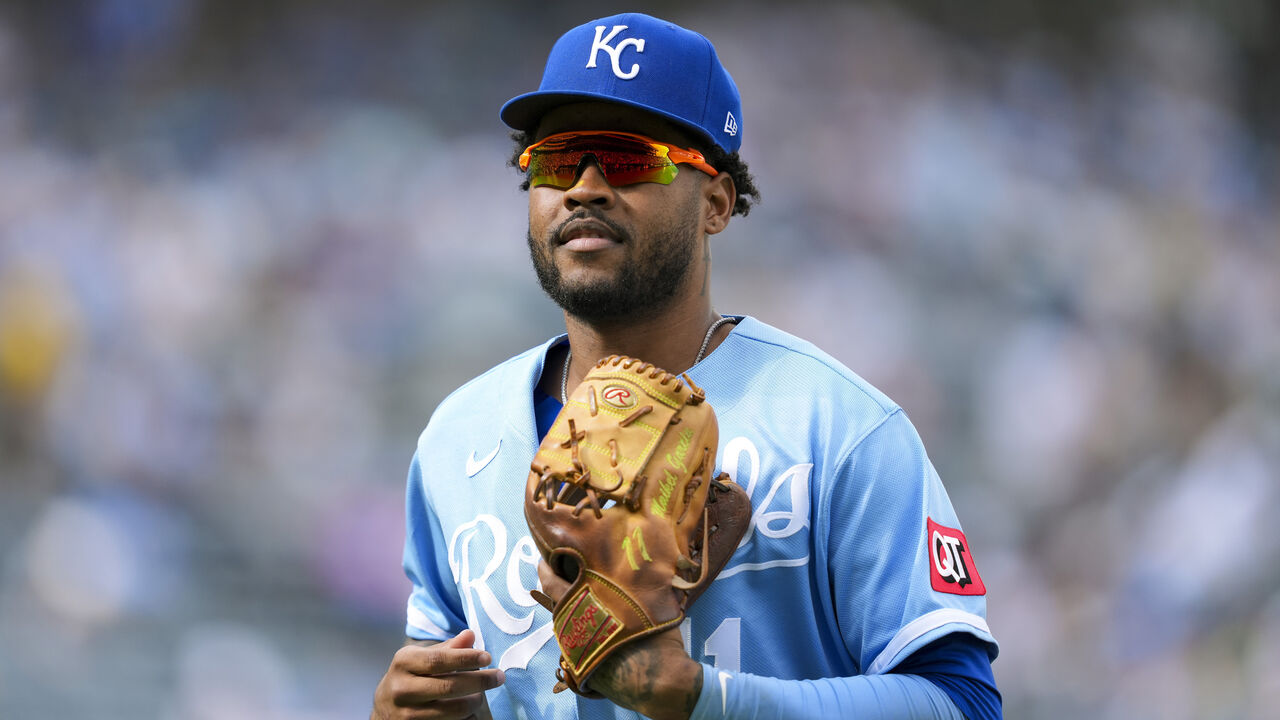
What it means for Seattle: Now this was a fun one. We'll focus on the headliners. The Mariners were guaranteed to land offensive help by dealing some of their abundance of starting pitching depth, but that bat being Maikel Garcia was a surprise. Garcia inked a five-year, $57.5-million extension in Kansas City prior to last season and immediately followed that up by winning World Baseball Classic MVP. He seemed to be a core piece of the Royals' future alongside Bobby Witt Jr., as the two were the only players with guaranteed contracts after the 2027 campaign.
Garcia took a step back offensively in 2026, slashing .268/.334/.381 with three homers and 20 doubles in 82 games. He missed considerable time due to hand and hamstring issues. But despite some regression, he remained an elite defender and a tough at-bat, ranking in the 86th percentile or higher in strikeout rate, chase rate, and whiff rate. Even though the Royals are in desperate need of pitching, it's shocking that they were willing to part with a player under an incredibly reasonable contract for a package headlined by Bryce Miller.
Garcia's skill set should fit really well in Seattle. The club ranked 27th in fWAR at third base last season. The addition of Garcia gives the Mariners a strong infield when paired with Colt Emerson, Brendan Donovan, Cole Young and Josh Naylor. His ability to make contact will provide a boost for a lineup that struck out the seventh-most times in baseball last season. Though he doesn't offer a lot of power, the Mariners should receive home runs from a number of other players, and diversifying the lineup is important. Considering Garcia's age and relatively inexpensive contract, the move should open the door for Seattle to add in other areas as well.
What it means for Kansas City: The deal makes less sense from the Royals' side. Sure, they lack controllable arms and had to upgrade their pitching after their starters posted the sixth-worst ERA in the majors last season. Miller is set to enter his age-28 season, is projected to earn $3.9 million in 2027, and has two additional years of arbitration. So, he at least checks those boxes. Miller is certainly an attractive piece and one that fits Kansas City's need from a roster and payroll standpoint.
The biggest problem, however, is that the Royals didn't exactly trade from a place of strength to address a weakness by exchanging offense for pitching. The club ranked 22nd in runs scored, and 16th in OPS last season. The lineup is pretty thin outside of Witt, Jac Caglianone, and Carter Jensen and doesn't have any room for subtraction.
Miller was a true breakout star in 2024, posting a 2.94 ERA, 0.98 WHIP, and 171 strikeouts in 180 1/3 innings. Since 2025, though, he owns a 4.82 ERA in 209 innings and has missed time with elbow inflammation and an oblique strain. Miller remains a very impressive pitcher, as his hard-hit rate and chase rate are elite. To truly justify the deal, Kansas City has to make another acquisition to replace Garcia and needs Miller to return to form.
Maybe Dustin May's contract scared the Royals away from free agency.
Nov. 17
White Sox bring in May with shocking deal
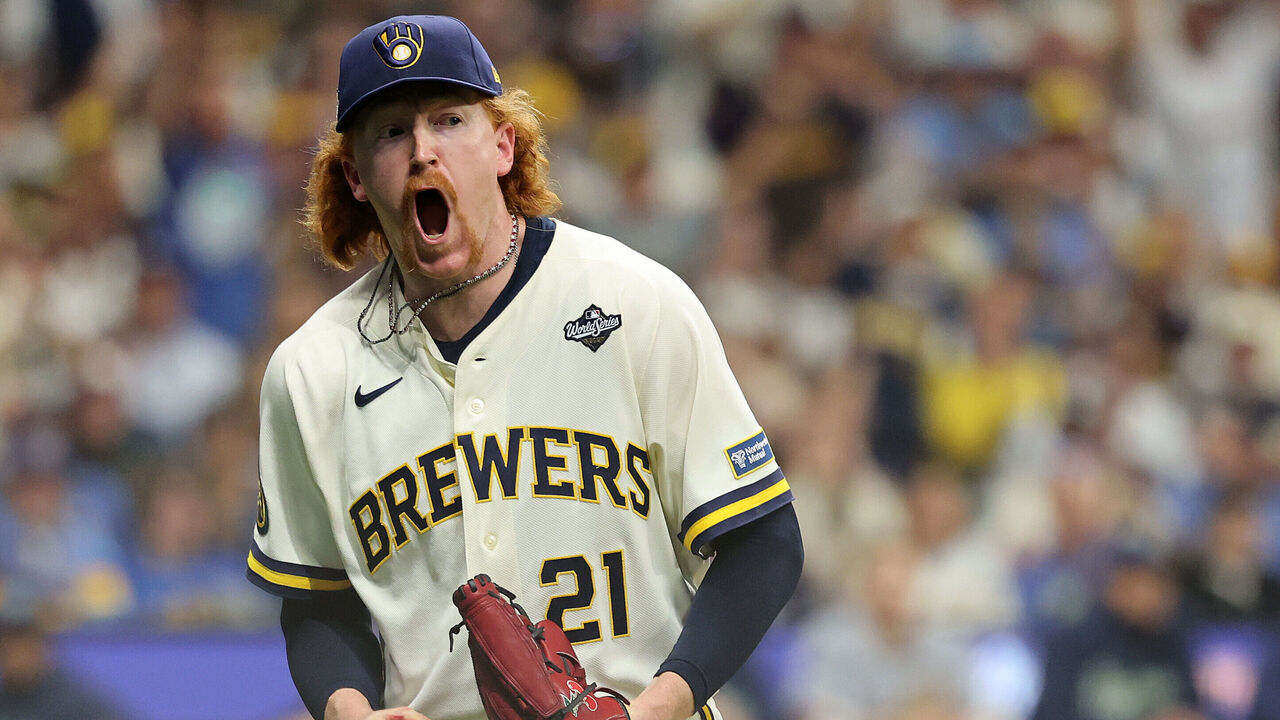
We might already have the biggest surprise signing of the offseason. May is coming off a year in which he split time between the Cardinals and Brewers while logging a career-high 145 2/3 innings. He's thrown at least 130 innings in each of his last two seasons since coming off Tommy John surgery but hasn't replicated the dominance he showed early in his career with the Dodgers.
Teams will always be enamored with May's stuff, and it's likely why the White Sox were willing to commit three years and $52.5 million to him. He's got big-time velocity and is only entering his age-29 season. Betting on upside is certainly fine, and maybe the White Sox can unlock something, but it's worth noting that Chicago will be May's fifth organization in three seasons, and teams with strong pitching structures (Dodgers, Red Sox, and Brewers) failed to get the best version of him.
For May to be effective moving forward, he'll need to start missing more bats. His 23.2 K% last season and 30.3% whiff rate weren't enough for a pitcher who ranked in the seventh percentile in hard-hit rate and the 14th percentile in average exit velocity. Opposing hitters hammered him far too often in 2026.
This is the offseason in which the White Sox should spend to complement a nice young core that took a huge step forward. The club can continue its rise by making multiple veteran additions. Let's just hope Chicago has plenty of payroll flexibility remaining and that it won't be held back by giving May and Luis Castillo over $40 million in 2027.
If anything, it shows that the starting pitching market will be competitive and guys are going to do very well.
Bednar accepts QO to remain in New York

The Yankees' decision to extend the qualifying offer to Bednar certainly paid off. He's been an exceptional fit in the Bronx. Bednar is coming off a season in which he anchored the bullpen with a 2.47 ERA, 1.04 WHIP, and 76 strikeouts over 69 1/3 innings while converting 35 of 39 save opportunities.
Bednar's $23.15-million AAV eclipses Edwin Díaz's $23 million as the highest of any reliever in the majors. That's certainly a substantial sum, but it's one the Yankees are surely willing to pay instead of committing multiple years at a high term, which Bednar would've commanded had he declined.
Bednar's decision not to test the market is puzzling. He was easily the top free-agent reliever available, but then again, accepting such a substantial payday and then having the ability to re-enter the market next winter is more than enticing. Now the Yankees can focus on other parts of their roster rather than scrambling to find a closer.
Nov. 13
Bauers cashes in after career year with Red Sox
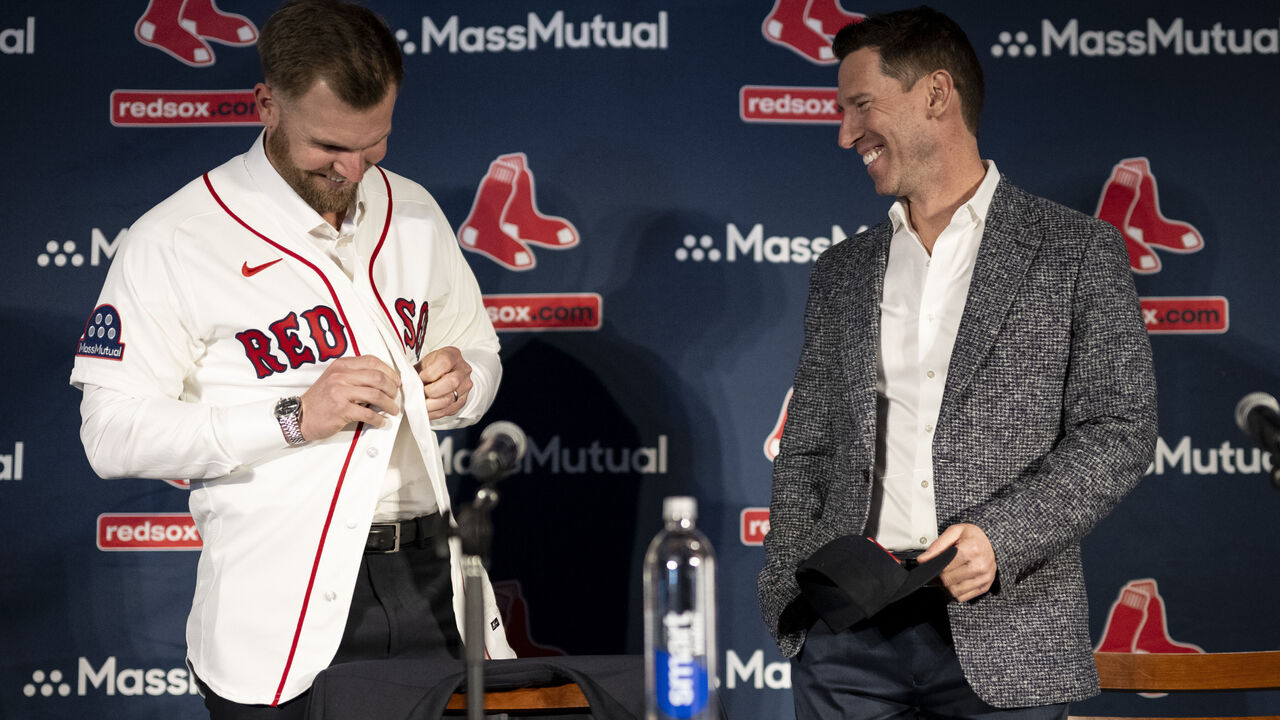
Consider Craig Breslow strongly in the camp of Jake Bauers believers.
Bauers went from a minor-league signing with the Brewers entering 2025 to cashing in on a four-year, $58-million contract with the Red Sox two seasons later.
It's an incredible story of resiliency and shows that with some adjustments, a baseball career can take off at any age. Boston is clearly of the opinion that Bauers' incredible 2026 season - a .266/.389/.484 slash line with 26 homers and a 143 wRC+ - is repeatable. While he might not replicate that production, he's likely to remain a very good hitter moving forward.
The Red Sox offense went completely dormant far too often last year, and it was a huge reason for their late-season struggles. Bauers won't fix everything, but he'll alleviate a number of their problems. The club lacked homers and quality plate appearances, two things Bauers brings to the table.
He ranked in the 90th percentile or higher in exit velocity, barrel percentage, hard-hit rate, bat speed, chase rate, and walk rate. Bauers also finished third in the majors in on-base percentage, and while he struck out 27% of the time, he still ranked 17th in the majors in pitches per plate appearance. Additionally, his ability to hit the ball to all fields should help at Fenway Park.
Bauers will primarily slot into the DH role while also seeing time at first base and in the corner outfield. That likely means Jarren Duran and Masataka Yoshida will play elsewhere next season. Yoshida's probably a sunk cost, but Boston should expect to get a decent return for Duran, even if his trade value took a hit after a down 2026 campaign.
Banking on a player breaking out at 31 doesn't come without risk, but even if Bauers regresses, he should be productive enough to justify his $14-million AAV.